
Source: CMSA Today
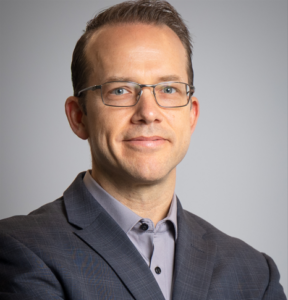
BY CHAD CHERINGTON, MD
STANDING AT THE BEDSIDE
I have spent much of my professional life standing beside patients during some of the most defining moments they will ever face. As a medical oncologist, hematologist, and internist, I have celebrated victories and supported families through heartbreaking farewells. These experiences have shaped not only how I practice medicine, but how I think about health, healing, and the benefits and limitations of what our current oncology practices can offer on its own.
Cancer are identifiable abnormal cells that are part of a systems problem that encompasses metabolic, immune, hormonal, emotional, and environmental factors. While modern oncology has made remarkable advances, it addresses pieces of that system, utilizing a treatment and response protocol that inadequately integrates the holistic nature of cancer care. Over time, I came to realize that understanding cancer biology alone was not enough.
This realization was deeply personal. My sister Jennifer was diagnosed with metastatic colon cancer in her early twenties. After exhausting conventional options with little benefit, she chose to pursue alternative therapies, also without benefit, though her search for hope profoundly influenced me. She died only months later. Her decision and its outcome left me with a question that has followed me throughout my career: How do we guide patients who are searching for healing beyond conventional medicine, without abandoning science or safety, or how do we integrate best practices and best evidence?
THE STRENGTHS AND LIMITS OF MODERN ONCOLOGY
There is no question that allopathic oncology has transformed cancer care. Chemotherapy, targeted therapy, and immunotherapy have saved countless lives. I have witnessed tumors shrink dramatically and patients return to lives they feared were lost. These moments are powerful reminders of what evidence‑based medicine can achieve.
Yet I have also seen the limits. For many cancers, progress is slow. Survival gains are often measured in months. Treatments can be toxic, expensive, and emotionally exhausting. Even when disease is controlled, patients frequently struggle with fatigue, metabolic dysfunction, anxiety, and a loss of identity or self‑embodiment.
Many patients are already seeking answers elsewhere. They are changing their diets, taking supplements, practicing meditation, exploring acupuncture, or using herbal therapies often without guidance. Modern oncology offers clinical trials, yet these trials frequently do not align with patient desires for autonomy or individualized care. As a result, participation in the United States remains low. Contemporary estimates suggest that only 7–8% of adult cancer patients enroll in treatment trials, while 41% of Americans report knowing little to nothing about clinical trials (8,9).
In contrast, more than 58% of U.S. adults use dietary supplements, often without clinician guidance (10). Patients are far more willing to experiment with supplements, repurposed medications and holistic therapies than to enroll in clinical trials. Ignoring this reality leaves patients vulnerable to misinformation and unsafe practices. Integrative oncology offers a pragmatic middle path engaging patients where they are while maintaining scientific oversight.
LIFESTYLE MEDICINE: RESTORING AGENCY
Lifestyle medicine offers a framework that can be both grounded and empowering to the patient. It focuses on nutrition, physical activity, sleep, stress regulation, social connection, and avoidance of harmful exposures factors that shape the internal environment in which cancer develops and progresses (1,15,17,18,20).
What struck me most when venturing into lifestyle medicine was not just the data, but the shift in perspective. Lifestyle medicine reframes patients not as passive recipients of treatment, but as active participants in their own health. Research consistently shows that dietary patterns rich in whole, plant‑based foods improve metabolic health, reduce inflammation, and support immune function (1,19). Exercise improves treatment tolerance, preserves muscle mass, and enhances quality of life (2,4). Stress‑management practices help regulate the nervous system and reduce emotional burden, allowing the immune system to function at its greatest capacity (11,16). Sleep quality and circadian rhythm also influence immune function and cancer biology (14). Social connection improves resilience and is associated with improved survival (12,13).
These interventions may not replace chemotherapy or immunotherapy, but they influence the terrain in which those treatments operate. Importantly, lifestyle medicine is not about perfection or blame, as cancer is not something anyone chooses. Rather, it is about recognizing that small, consistent changes can meaningfully alter health trajectories over time. Lifestyle medicine synergizes with all therapeutic approaches; it is a framework for which we should build cancer care.
A CULTURAL SHIFT, NOT JUST INDIVIDUAL CHANGE
Despite growing evidence, lifestyle medicine remains underutilized in oncology. This is not because patients are uninterested, rather, the challenge is cultural.
We live in a society shaped by ultra‑processed foods, chronic stress, negative environmental exposures, and disconnection (7,20). Individual behavior change alone cannot overcome these forces. What is needed is a broader cultural shift one that values prevention, supports healthy environments, and normalizes lifestyle‑based care as part of standard medicine.
We have seen the impact of societal change before. Smoking rates declined not because of a single drug, but because of education, policy, and cultural change. Cancer prevention through lifestyle will require a similar collective effort. Today, obesity has become one of the leading contributors to cancer risk (1,19) and addressing it will likely prove even more challenging than reducing smoking rates.
INTEGRATIVE ONCOLOGY: BRIDGING TWO INCOMPLETE WORLDS
Allopathic medicine and naturopathic medicine each have strengths and limitations. Conventional oncology excels at targeting disease with precision and rigor. Naturopathic and traditional healing systems often excel at supporting the whole person, addressing symptoms, and restoring balance. Alone, each approach is incomplete. Together, they offer something more powerful.
Integrative oncology seeks to combine evidence‑based cancer treatment with carefully selected complementary therapies that support the body’s capacity to heal. Some integrative therapies such as acupuncture, mindfulness‑based stress reduction, and exercise are well supported by evidence for symptom control and quality of life (2,4,11). Others, including certain supplements, herbs, and traditional Eastern medicine practices, show promise but remain inadequately studied.
This does not mean they should be dismissed outright, but that they should be approached thoughtfully.
BEYOND THE LIMITS OF TRADITIONAL EVIDENCE
One of the challenges in integrative oncology is that not everything can be studied using a double‑blind, placebo‑controlled trial. Complex lifestyle interventions, individualized nutrition plans, and multi‑modal therapies do not always fit neatly into traditional research designs. This does not make them unscientific; rather, it highlights the need for broader ways of evaluating benefit.
At the same time, openness must flow both ways. Allopathic physicians should remain open to integrative therapies when evidence suggests benefit or low risk. Likewise, naturopathic practitioners must recognize that chemotherapy and targeted therapies can be life‑saving, even when their benefits are nuanced and accompanied by toxicity.
This is where deep, honest discussions covering procedures, alternatives, risks, and questions become essential. Patients deserve transparent conversations about both the potential benefits and the limitations of every therapy, conventional or integrative.
TOWARD TRULY PERSONALIZED CANCER CARE
No two patients are the same. Cancer biology varies widely, as do genetics, metabolism, immune function, emotional resilience, and life circumstances. A therapy that benefits one patient may do little for another.
The future of oncology lies in identifying what is missing or dysregulated in each individual whether that is a metabolic pathway, an immune signal, a hormonal imbalance, or a stress response and tailoring interventions accordingly (11,16). Integrative oncology allows us to ask broader questions: What does this patient’s body need to restore balance? Which pathways are under‑supported? Which interventions are most likely to help this person? How can we keep the humanity, the self-embodiment of an individual which is a key to quality of life?
Answering these questions requires humility, curiosity, and ongoing research. It also requires acknowledging that some therapies may work best in specific populations or contexts that have not yet been adequately studied.
SAFETY, TRANSPARENCY, AND SHARED RESPONSIBILITY
Integrative oncology must remain grounded in safety and transparency. Dietary supplements are poorly regulated and may, at times, negatively interact with cancer treatments. Independent resources such as ConsumerLab.com can help clinicians and patients evaluate supplement quality and risk (6). Environmental exposures also deserve attention, and organizations like the Environmental Working Group (EWG.org) provide accessible information on potential carcinogens (7,20).
The goal is not to endorse everything labeled “natural” but to thoughtfully evaluate what may help, what may harm, and what remains unknown.
LOOKING FORWARD
Cancer treatment will always require powerful medical tools. But treatment alone is not enough. Lifestyle medicine restores agency. Integrative oncology restores wholeness. Together, they offer a more complete vision of care one that treats disease while supporting the person living with it.
This is not a rejection of modern medicine. It is an evolution. If we are willing to embrace both rigor and openness, science and humanity, we can move toward a future where cancer care is not only about survival, but about resilience, meaning, and long‑term health.
That future will not be built by one discipline alone. It will be built by a movement, one patient, one clinician, and one community at a time.
REFERENCES
- World Cancer Research Fund/American Institute for Cancer Research. (2018). Diet, nutrition, physical activity and cancer: A global perspective. Continuous Update Project Expert Report.
- Rock, C. L., Doyle, C., Demark‑Wahnefried, W., Meyerhardt, J., Courneya, K. S., Schwartz, A. L., … & Gansler, T. (2012). Nutrition and physical activity guidelines for cancer survivors. CA: A Cancer Journal for Clinicians, 62(4), 243–274.
- Zhang, F. F., Liu, S., John, E. M., & Must, A. (2019). Dietary interventions in cancer survivors: A systematic review of randomized controlled trials. Journal of the National Cancer Institute, 111(11), 1133–1145.
- Ligibel, J. A., Alfano, C. M., Courneya, K. S., Demark‑Wahnefried, W., Burger, R. A., Chlebowski, R. T., … & Ganz, P. A. (2014). Exercise, diet, and weight management during cancer treatment. Journal of Clinical Oncology, 32(31), 3433–3440.
- National Institutes of Health. (n.d.). Health Information National Trends Survey (HINTS). NIH.
- ConsumerLab.com. . (n.d.). Independent testing and evaluation of dietary supplements.
- Environmental Working Group. (n.d.). Environmental exposures and cancer risk resources.
- Murthy, V. H., Krumholz, H. M., & Gross, C. P. (2004). Participation in cancer clinical trials: Race‑, sex‑, and age‑based disparities. JAMA, 291(22), 2720–2726.
- National Cancer Institute. (2017). Public attitudes toward clinical trials. NIH; CISCRP Perceptions & Insights Study (2017, 2019).
- Mishra, S., Gahche, J. J., Ogden, C. L., et al. (2023). Dietary supplement use in the United States: NHANES 2017–March 2020. National Health Statistics Reports, No. 183. CDC.
- Cole, S. W. (2009). Social regulation of human gene expression: Mechanisms and implications for public health. Nature Reviews Cancer, 9(11), 842–857.
- Pinquart, M., & Duberstein, P. R. (2010). Associations of social networks with cancer mortality: A meta‑analysis. Health Psychology, 29(4), 366–374.
- Holt‑Lunstad, J., Smith, T. B., & Layton, J. B. (2010). Social relationships and mortality risk: A meta‑analytic review. PLoS Medicine, 7(7), e1000316.
- Zhong, G., Wang, Y., Zhang, Y., Guo, J. J., & Zhao, Y. (2015). Sleep duration and cancer risk: A systematic review and meta‑analysis. Sleep Medicine Reviews, 23, 1–10.
- National Cancer Institute. (n.d.). Cancer causes and prevention. NIH.
- Antoni, M. H., Lutgendorf, S. K., Cole, S. W., et al. (2006). The influence of bio‑behavioural factors on tumour biology: Pathways and mechanisms. Nature Reviews Cancer, 6(3), 240–248.
- Moore, S. C., Lee, I. M., Weiderpass, E., et al. (2016). Association of leisure‑time physical activity with risk of 26 types of cancer in 1.44 million adults. JAMA Internal Medicine, 176(6), 816–825.
- de Martel, C., Georges, D., Bray, F., Ferlay, J., & Clifford, G. M. (2020). Global burden of cancers attributable to infections in 2018: A worldwide incidence analysis. The Lancet Global Health, 8(2), e180–e190.
- World Cancer Research Fund/American Institute for Cancer Research. (2018). Diet, nutrition, physical activity and cancer: A global perspective. Continuous Update Project Expert Report.
- IARC Working Group on the Evaluation of Carcinogenic Risks to Humans. (n.d.). IARC monographs on the evaluation of carcinogenic risks to humans. World Health Organization.
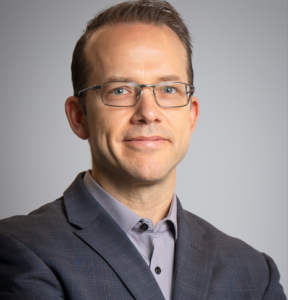 CHAD CHERINGTON, MD, is a triple board‑certified physician in Medical Oncology, Hematology, and Internal Medicine. He has completed additional training certifications in nutrition and integrative oncology and is an active participant in the American College of Lifestyle Medicine. Dr. Cherington integrates lifestyle medicine and evidence‑informed integrative approaches into conventional oncology care, emphasizing nutrition, physical activity, stress regulation, and patient‑centered decision‑making.
The post A Vision for Oncological Care: Where Lifestyle Medicine and Integrative Oncology Converge appeared first on Case Management Society of America.