
Source: CMSA Today
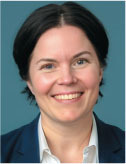
BY , LCSW, NCG, CMC, CDP
As case managers, we have the opportunity to provide insightful and supportive care to patients in a variety of roles and settings. While a large proportion of case managers are nurses and social workers, many ancillary professionals also have found themselves serving in the capacity of a case manager. Advocacy is one of several standards of practice according to the Case Management Society of America (CMSA, 2022). The work of being an advocate can look different based on the patient, the situation and the setting and is something that can be considered to be an art or special skill. Further, there are times that the role of a case manager and need for advocacy can conflict with the expectations of the setting in which we work, causing a professional conflict—certainly cause for a pause for ethical consideration. This article will summarize some of the challenges to advocacy case managers may face in their day-to-day work with patients.
CHALLENGES BY EMPLOYMENT SETTING
Case managers face persistent ethical and practical challenges when advocating for patients across care settings, often caught between what patients need and what systems allow. In hospitals, they must balance ensuring safe, appropriate care with pressure to discharge patients quickly due to reimbursement structures, even when patients may not be fully ready. If we consider a patient on Medicare that uses Diagnosis-Related Groups (DRGs) for flat fee payments based on patient condition and other factors, the hospital is at a financial disadvantage if the care provided costs over the flat fee identified by the DRG. A hospital is certainly not meant for long-term care, and the case manager, along with the interdisciplinary team, is challenged with ensuring they meet the suggested discharge timeline.
In nursing homes and rehabilitation settings, case managers struggle with discharging individuals who may have made clinical progress but lack adequate support at home—whether due to limited family involvement, financial constraints, or broader social determinants of health that compromise safety and recovery. Consider that older adult patient that needs non-medical in-home caregivers for safety but cannot afford the cost of care that is not covered by insurance, or agrees to setting it up but cancels when they get home because they do not want people in the house. Often, our hands are tied once that discharge occurs as our role ends and our employer expects us to meet the needs of our current patients, not following up on the ones that have discharged to be sure they are actually following the treatment recommendations.
In community programs, the tension continues as case managers try to meet complex patient needs within the limits of their role and available resources, often recognizing that more support is necessary but being unable to provide it. This challenge increases when funding cuts force the discharge of patients from services despite ongoing need, leaving case managers to balance professional responsibility with systemic limitations. Ethical issues can present at this time with the risk of violating professional boundaries by case managers wanting to continue to help patients even after their professional relationship has ended.
ROLE OF SOCIAL DETERMINANTS OF HEALTH
Social determinants of health play a critical role in shaping patient outcomes, influencing not only access to care but also the ability to follow through with treatment recommendations. Factors such as the physical environment can significantly affect how families navigate the healthcare system; for example, those living in rural areas may face limited access to specialists, while individuals in under-resourced or high-crime communities may encounter safety concerns that make leaving the home difficult. Limited access to nutritious food—particularly in food deserts—and lack of reliable transportation further compound these barriers, restricting access to medical appointments, medications, and essential supplies. Educational attainment also impacts health outcomes, as individuals with lower levels of education or limited health literacy may struggle to understand and adhere to complex treatment plans. Financial strain is another major factor, especially when the medical condition impacts the individual’s ability to work or they have gaps in insurance coverage.
Case managers across healthcare settings are uniquely positioned to identify and help mitigate these challenges. In hospitals, nursing facilities, and community programs, case managers can assess social determinants as part of discharge planning and ongoing care coordination, helping connect patients to resources such as transportation services, food assistance programs, and home-based supports. They also play a key role in tailoring education to a patient’s level of understanding, advocating for appropriate services, and collaborating with interdisciplinary teams to address gaps in care. While systemic limitations may prevent full resolution of these issues, case managers serve as essential advocates, working to reduce barriers and promote more equitable, patient-centered outcomes.
PROFESSIONAL ETHICS AND CMSA STANDARDS
According to CMSA’s Standards of Practice (2022), when we are faced with an ethical challenge in our work setting, we should follow the ethical guidelines of our professional discipline. If you are ever faced with a barrier to advocacy in your daily work, consider what your professional Codes of Ethics inform you or seek consultation with another professional to help navigate through the conflict. Additionally, while we have known financial constraints as there is not an existing system that has a neverending flow of funds, our role as advocates requires us to work within the means of our system and be creative to best meet the needs of our patients.
REFERENCES
Case Management Society of America (CMSA). Standards of Practice for Case Management. 2022.
Flasch, E. A. (2025). Health Equity and Children With Medical Complexity/Children and Youth With Special Health Care Needs: A Scoping Review. Journal of Pediatric Health Care. Vol. 39(1), 140-146
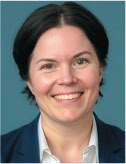 Dr. Jennifer Gazda, LCSW, NCG, CMC, CDP, is Director of Care Management and Integrated Services for Arosa, a provider of home care and care management services throughout the United States. Jennifer Gazda has over 20 years of experience as a social worker in the Chicagoland area and has vast experience in case management as well as clinical supervision to new case managers. Jennifer currently serves on the Editorial Board for CMSA, as well as a Director for the Chicago chapter. Jennifer also serves on the board for the National Association of Social Workers – IL Chapter and the Midwest Chapter of the Aging Life Care Association.
The post The Art of Advocacy appeared first on Case Management Society of America.